

Camden Council Permits for Primrose Hill Moving Vehicles
Posted on 26/06/2026
Camden Council Permits for Primrose Hill Moving Vehicles: A Practical Guide for Smooth, Legal Moves
If you are planning a move in Primrose Hill, the parking side of the job can be the bit that quietly causes the most stress. Camden Council permits for Primrose Hill moving vehicles are often the difference between a clean, well-timed move and a morning full of wheel-clamps, blocked access worries, or a van circling the street while everyone starts looking at their watch. Not ideal, to be fair.
This guide explains what those permits are, why they matter, when they may be needed, and how to plan around them without making the process harder than it needs to be. You will also find a step-by-step approach, a comparison table, a realistic example, and a practical checklist you can use before moving day. If you are arranging a house move, flat move, or even a short-notice collection, this is the kind of planning that saves time and a lot of low-level panic.
Why Camden Council Permits for Primrose Hill Moving Vehicles Matters
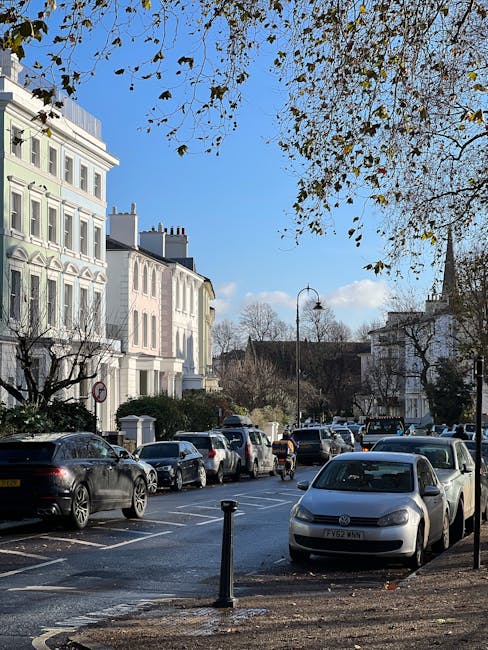
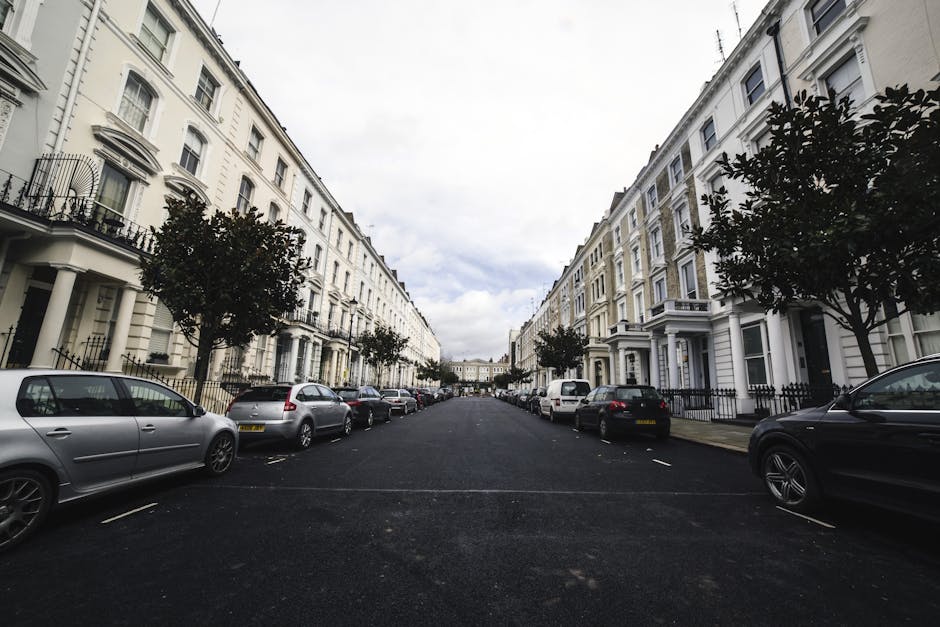
Primrose Hill is one of those London areas where moving day can look simple on paper and then become tricky as soon as a van arrives. Narrow residential roads, busy commuter patterns, controlled parking zones, and tight access near terraced streets can all make parking more complicated than people expect. That is where Camden Council permits for Primrose Hill moving vehicles become important.
In plain English, a permit or parking arrangement helps you use the road space legally and more predictably for loading or unloading. Without that planning, your vehicle may be forced to park far away, which means more carrying, more time, and more strain on everyone involved. If you have heavy furniture, awkward boxes, or a tight time window, the difference can be huge.
The biggest mistake people make is assuming a removal van can just stop outside the property for as long as needed. Sometimes it can. Often it cannot. And in a place like Primrose Hill, where streets can be tight and parking can disappear quickly, that assumption can cost you. Even a short delay in securing access can ripple through the entire move.
This matters for more than just convenience. It affects safety, schedule control, customer experience, and sometimes cost. If a van must park several streets away, movers may need extra time and extra labour. A move that should feel controlled can suddenly turn into a long chain of small delays. You can almost hear the clock ticking louder. Annoying, but avoidable.
For many households, the goal is not to become parking experts. The goal is simply to avoid a mistake that could have been prevented with early planning. That is the spirit of this guide: practical, calm, and focused on the details that keep the day running smoothly.
How Camden Council Permits for Primrose Hill Moving Vehicles Works
The exact arrangement depends on the vehicle, street, and timing, but the process usually follows a similar logic. First, you identify where the van needs to stop. Then you check whether that space is controlled, restricted, or likely to be busy. After that, you decide whether a permit, suspension, waiver, or another parking arrangement is appropriate.
For removals, the important question is not only "Can the van park there?" but also "Can it stay long enough for safe loading or unloading?" That second question is where things often get overlooked. A move may need only a short stop, or it may need a decent loading window if there are stairs, bulky furniture, or multiple trips.
Another point that often surprises people is that moving vehicles are not always treated like ordinary visitor cars. A removal van may need different parking consideration because it is commercial, larger, and more operationally sensitive. In practice, that means the planning should happen before moving day, not while the driver is already outside and the sofa is halfway through the doorway. That scene is usually not a fun one.
It also helps to think in layers:
- the street layout and access conditions
- the type and size of vehicle being used
- the expected duration of loading or unloading
- the time of day and parking pressure in the area
- any restrictions that apply to the address or nearby roads
For a small flat move, the arrangement may be straightforward. For a larger household move, piano relocation, or office job, the access plan may need more careful handling. If you are comparing move types, it can help to look at the broader picture too, such as house removals in Primrose Hill, flat removals in Primrose Hill, or a more flexible man and van service in Primrose Hill depending on the size of the move.
A good rule of thumb: if access looks remotely awkward, treat parking as part of the move, not as an afterthought. That one change in mindset saves a lot of trouble.
Key Benefits and Practical Advantages
Getting the vehicle access plan right gives you more than just legal peace of mind. It helps the entire move feel more controlled, which is especially valuable in a busy area like Primrose Hill.
1. Less delay on moving day
When parking is planned, the crew can get on with the work rather than hunting for a space. That means less standing around, fewer phone calls, and a better chance of keeping to schedule. If you have lift bookings, tenancy handovers, or a same-day chain, that matters a great deal.
2. Reduced carrying distance
The closer the van is to the property, the less time movers spend walking items back and forth. That sounds minor until you are moving a wardrobe, a mattress, or a stack of packed boxes up and down stairs. It adds up fast.
3. Better safety for people and property
A well-positioned van reduces awkward carrying and helps avoid damage to walls, door frames, and furniture. Safety is not just a policy word here; it is the practical difference between a clean move and a slightly battered one. If you are dealing with heavy items, it is worth reading up on insurance and safety and health and safety practices before the day arrives.
4. Better cost control
Unexpected parking problems can increase labour time, waiting time, or the number of trips. Even if you are not being charged by the minute, delays are rarely free in a practical sense. They eat time, energy, and patience. Sometimes all three.
5. A calmer customer experience
Let's face it, moving is already a lot. A predictable access plan removes one of the most stressful unknowns. That can make a real difference to how the day feels, especially if children, elderly family members, or pets are around.
Expert summary: In Primrose Hill, parking and access planning should be treated as part of the move logistics, not as a separate admin task. The best outcomes usually come from early checks, clear communication, and a realistic loading window.
Who This Is For and When It Makes Sense
Not every move needs the same level of parking planning, but quite a few do. The real question is whether the property, vehicle, and schedule create enough friction that a permit or access arrangement becomes sensible.
This topic is especially relevant if you are:
- moving from a flat or maisonette with limited street access
- using a removal van rather than a small car
- working to a tight move-out or move-in deadline
- moving furniture from an upper floor
- handling delicate or heavy items that cannot be left waiting outside
- coordinating a business move or office relocation
- arranging a same-day move where timing is already compressed
It is also worth thinking about the shape of the street. Some parts of Primrose Hill are much more forgiving than others. A move on a quiet road with enough room to load is a very different animal from a move in a narrow lane with traffic passing every few minutes. If that sounds familiar, this local piece on staircase and narrow lane challenges in Primrose Hill moves is a useful companion read.
For students and smaller households, parking requirements can be lighter, but do not assume they disappear. A few boxes is still a load. A few boxes plus a bed base and a washing machine is suddenly something else entirely. If that is your situation, a student removals service or a more compact removal van option may be a better fit than a larger setup.
Truth be told, the best time to think about this is before you have packed the first box. Once the van is booked, the move is already on the clock.
Step-by-Step Guidance
Here is a straightforward way to handle the planning without overcomplicating things.
- Check the property access
Look at where the vehicle would realistically stop. Think about kerbs, bays, yellow lines, traffic flow, and how far the front door is from the road. A quick walk outside with a tape measure or even just a rough visual check can be surprisingly useful.
- Estimate the loading time
Be honest. A one-bedroom flat with stairs and a fridge freezer is not the same as carrying two suitcases. Build in a little buffer. Moving days have a habit of stretching themselves out.
- Match the vehicle to the job
Use a van that fits the volume of the move without becoming too large for the street. Bigger is not always better. A sensible vehicle choice can reduce the need for awkward parking compromises.
- Confirm whether a permit or parking arrangement is needed
This is the point where many people pause and hope the problem goes away. It usually does not. If parking restrictions apply, get the arrangement sorted early. If your move is being handled by professionals, ask how they usually manage access in the area.
- Plan the packing order
Keep the items needed first at the front of the load, and group heavier pieces so the van can be unloaded efficiently. A tidy loading sequence helps reduce time parked at the property.
- Build in backup time
Traffic, lift access, awkward stairs, and residents coming and going can all add minutes. Sometimes more than minutes. Keep a small margin in the schedule so a slight delay does not unravel the whole day.
- Communicate clearly with everyone involved
Make sure the van driver, movers, and building contact all know the plan. If there is a loading bay, key holder, or narrow access point, do not leave it to chance.
If you are not sure how much support you need, it can help to review the wider service options available through services overview and then narrow the choice based on the size and complexity of the move.
Expert Tips for Better Results
These are the small things that make a surprisingly big difference.
- Book access planning before you book the move. It sounds obvious, but people often do this in reverse.
- Use the front door route in your planning. The shortest path is not always the easiest if there are stairs, tight corners, or awkward thresholds.
- Keep the van load efficient. A neatly stacked van can shorten loading time enough to make parking easier.
- Separate fragile or temperature-sensitive items. If you are moving a freezer or perishable stock, plan the timing carefully. See also preserving freezer lifespan with proper storage and keeping a freezer stable during breaks.
- Protect large furniture properly. A sofa dragged too far from the van or a bed frame carried awkwardly can be damaged faster than you think. The detail in sofa storage advice and bed and mattress relocation tips is surprisingly useful here.
- Ask about disposal and recycling in advance. If the move includes unwanted furniture, it is better to plan removal properly than to leave it as a last-minute headache. The article on bulky waste tips for Primrose Hill moves is a good reference.
One small but practical tip: if you can complete the heaviest lifting while the road is quietest, do it. Early mornings can sometimes feel like the whole street is holding its breath. That helps. Just be mindful of neighbours, obviously.
And if you are comparing whether to do it yourself or call in help, the article on heavy lifting on your own is worth a look. Sometimes the honest answer is that DIY is fine for a light move and a poor bet for anything bulky. No shame in that.
![A close-up view of a dense cluster of primrose flowers in full bloom, featuring bright pink, orange, and yellow petals with darker centers, surrounded by large, textured green leaves. The flowers are numerous and layered, with some buds still unopened, growing in a garden setting. In the background, a pathway and part of a garden wall are visible, suggesting an outdoor environment. The vibrant colours and lush foliage emphasize the healthy, blooming state of the plants, which are situated near a house or building entrance. This natural scene is relevant to house removals and moving services where outdoor garden or planting considerations may be part of the client’s property, as managed by [COMPANY_NAME] during the home relocation process.](/pub/blogphoto/camden-council-permits-for-primrose-hill-moving-vehicles2.jpg)
Common Mistakes to Avoid
Most parking problems on moving day come from predictable errors. The good news? They are avoidable.
- Leaving parking checks until the day before. That is the big one. In busy areas, late planning usually means fewer options.
- Assuming "just a quick stop" is always fine. Quick stops can still be restricted. That is where trouble starts.
- Underestimating unloading time. A move that looks small in the morning can grow by lunchtime.
- Using a vehicle that is too large for the road. A van that is difficult to position can create more delay than it saves.
- Forgetting about building access rules. Some blocks and managed properties have their own expectations. Always check.
- Not factoring in weather. Rain, glare, and slippery steps change the pace, especially when items are heavy.
- Failing to coordinate disposal. If you are getting rid of old furniture, do not leave it for the last minute. It is messy, and frankly it creates more stress than it should.
There is also a softer mistake: trying to make the whole move perfect. It does not need to be perfect. It needs to be organised enough to run safely and legally. That is the bar. Everything else is a bonus.
Tools, Resources and Recommendations
You do not need a complicated toolkit, but a few sensible resources help a lot.
- Property notes and measurements for door widths, stair turns, and curb distance.
- A written moving plan that includes arrival time, loading order, and access details.
- Quality packing materials to reduce damage and speed handling. The guide on packing and boxes in Primrose Hill can help you get the basics right.
- Storage support if the move is staged or delayed. See storage in Primrose Hill for situations where the timing does not line up neatly.
- Professional moving support when the job is too large for a casual approach. A team that knows the area can save a lot of guessing.
If you are still comparing how much support you need, these pages may help:
- man with a van in Primrose Hill
- removals in Primrose Hill
- removal services in Primrose Hill
- removal companies in Primrose Hill
For a lot of people, the best resource is simply a calm, realistic conversation about the move itself. What is being moved? How far? How many stairs? What is the street like at 8am versus 2pm? Those answers tell you nearly everything you need.
Law, Compliance, Standards, or Best Practice
Parking and vehicle access during removals is not something to guess at. While the exact rules vary by street and parking control, the general best practice is simple: do not stop or load in a way that creates risk, blocks traffic, or ignores local restrictions. If the road is controlled, treat it as controlled.
From a practical compliance perspective, the main duties are common-sense but important:
- do not obstruct pedestrians or neighbouring access
- do not park where the vehicle is unsafe or likely to be challenged
- make sure loading and unloading are carried out in a reasonable, controlled way
- check building or estate rules before arrival
- keep communication clear if conditions change
Good movers also work with health and safety in mind. That means proper lifting technique, sensible load handling, and enough room to manoeuvre. If you are moving large or fragile items, it is worth understanding the broader moving standards around safety and accountability. The more organised the process, the less likely you are to have a nasty surprise.
Best practice is usually better than improvisation. A quick fix can work in a quiet side street on a Tuesday morning. The same approach may fall apart in a busier part of Primrose Hill. The area has a way of rewarding the people who plan ahead. Slightly unfair, perhaps, but true.
Options, Methods, or Comparison Table
There are a few ways to approach moving-vehicle access, and the best choice depends on the property and the size of the move.
| Option | Best For | Advantages | Drawbacks |
|---|---|---|---|
| Planned permit or parking arrangement | Controlled streets, longer loading windows, larger removals | Most predictable, reduces stress, supports safer loading | Requires early planning and coordination |
| Short loading stop without special arrangement | Very small moves in low-pressure streets | Simple and fast if conditions are suitable | Can be risky if parking is tighter than expected |
| Smaller van and multiple trips | Compact moves or limited access roads | Better manoeuvrability, easier positioning | Can take longer overall and increase carrying effort |
| Staged move with storage | Timing gaps, delayed completion, downsizing | Reduces pressure on moving day, offers flexibility | Needs extra organisation and timing control |
There is no universal winner here. A larger removal van may be efficient for a full house, but a more compact setup can be smarter if the street is awkward. For smaller jobs, a leaner approach often wins. For complex jobs, predictability usually matters more than speed.
If you are moving something specialised, the same logic applies. For example, piano removals in Primrose Hill need more planning than a typical box-and-bag move, and a route that looks fine on a map may be poor in practice. That is just the reality of it.
Case Study or Real-World Example
A couple moving from a top-floor Primrose Hill flat had a fairly ordinary plan on paper: a few bedroom pieces, kitchen boxes, a sofa, and a washing machine. Nothing dramatic. But the street outside was narrow, and daytime parking was tight. At first they assumed the van could stop right outside for as long as needed.
Once the access plan was reviewed properly, they changed the approach. The van arrived early, the heaviest items were loaded first, and the stopping point was chosen to minimise carrying distance. They also grouped the boxes by room, which saved time during unloading at the other end. Nothing flashy. Just sensible choices made before the day started.
The difference was noticeable. Instead of a slow, stop-start move with people waiting on the pavement, the work moved in a steady rhythm. One person handled the doors, one managed the boxes, and the driver kept the van positioned as efficiently as possible. The move still took effort, of course. It always does. But the pressure was lower because the parking question had been solved before the sofa reached the hallway.
That is the real value of planning around Camden Council permits for Primrose Hill moving vehicles: it lets the move behave like a plan rather than a scramble.
Practical Checklist
Use this checklist before moving day.
- Confirm the move date and arrival time.
- Check the street outside the property for restrictions and realistic loading space.
- Measure awkward furniture or appliances before the van arrives.
- Decide whether a permit or parking arrangement is needed.
- Tell movers about stairs, narrow entrances, or long carries.
- Set aside fragile items and essentials separately.
- Plan for any items going into storage.
- Sort out unwanted furniture or bulky waste early.
- Keep keys, access codes, and contact numbers handy.
- Allow a little time buffer for delays. Just a little, but enough.
If you want to tidy up the rest of the move too, these pages can help with the practical side of preparation: decluttering tips for a stress-free move, packing essentials for a smooth transition, and making a house move feel a little less stressful.
Get a free quote today and see how much you can save.
Conclusion
Camden Council permits for Primrose Hill moving vehicles are not just an admin detail. They are part of the move itself. When access is planned properly, everything else tends to feel easier: the loading, the carrying, the timing, and even the mood in the room.
The best approach is simple. Check the street, match the vehicle to the job, allow enough time, and do not leave parking until the last minute. That small bit of foresight can save a lot of effort later. And in a place like Primrose Hill, where roads can be tight and schedules are often unforgiving, that is worth a lot.
If you are still comparing options, it may help to explore the wider moving support available, from house removals to furniture removals and same-day removals. The right setup is the one that fits your street, your schedule, and your stress level. Keep it practical. Keep it calm. You will be glad you did.