Preserving Your Freezer's Lifespan with Proper Storage
Keeping your freezer in optimal condition doesn't just save you money - it keeps your food safe and your meals delicious. In this comprehensive guide, we'll explore how proper storage techniques significantly extend your appliance's functionality and reliability. Whether you're looking to maximize your freezer's lifespan, enhance energy efficiency, or reduce waste, these research-backed tips will transform the way you use your freezer.
Why Freezer Maintenance and Organization Matters
A well-maintained freezer is more than an appliance--it's a key player in food safety and smart budgeting. Failure to store items correctly, overfill compartments, or ignore regular cleaning can cause your freezer to work harder, use more energy, and eventually break down sooner. Learning how to preserve your freezer's lifespan with proper storage ensures longevity, efficiency, and consistent temperature, safeguarding your family's food supply.
3 Major Benefits of Proper Freezer Storage
- Increased appliance longevity: Reduces wear and tear, lowering the risk of malfunctions.
- Energy efficiency: A well-organized freezer works less to maintain temperature, saving you money on utilities.
- Food quality and safety: Prevents freezer burn, contamination, and spoiled food.
The Science Behind Freezer Wear and Tear
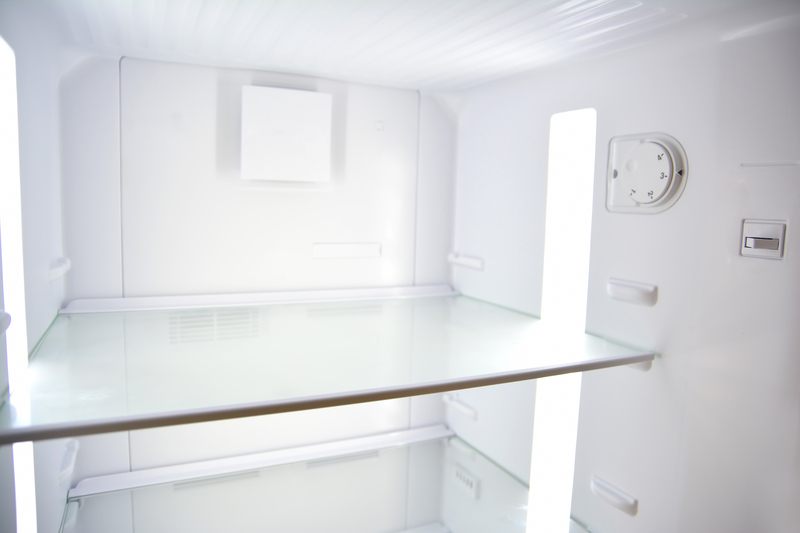
Understanding how improper storage affects your freezer is crucial. Blocked vents, overloaded compartments, and obstructed air circulation force the compressor to work overtime. Each time your freezer overexerts, its components--especially the motor--experience additional strain.
*Over time, this not only increases your energy bill but also shortens your freezer's service life.* By practicing correct storage habits, you create an environment where temperature control hardware operates efficiently.
Core Principles for Preserving Your Freezer's Lifespan
1. Organize for Efficiency
- Label and Date Everything: Use waterproof markers and freezer-safe labels. Knowing the contents and dates helps rotate food efficiently and avoid waste.
- Group Similar Items: Store proteins (meats), vegetables, and ready-made meals together. This reduces the time the freezer door stays open as you search.
- Utilize Baskets and Bins: Invest in durable bins to separate different categories, making it easier to access items while maintaining air flow.
- Apply the "First-In, First-Out" Rule: Place newer items behind or beneath older ones--this minimizes forgotten foods and keeps the freezer less cluttered.
2. Never Overfill--Or Underfill
Striking the right balance in your freezer's load is key:
- Overfilling: Overstuffed freezers impede air circulation, causing uneven cooling and mechanical strain.
- Underfilling: A nearly empty freezer loses temperature faster. To stabilize temperature, keep it at least two-thirds full--use water bottles or ice packs if necessary.
Proper freezer storage isn't just about food safety--it's about appliance longevity, too.
3. Package Foods Correctly to Reduce Frost Buildup
- Vacuum Seal or Double-Wrap: Use airtight containers or vacuum-seal systems to minimize air exposure and reduce frost.
- Use Freezer-Safe Bags: Regular plastic bags often leak or crack; freezer-specific bags are designed to handle cold and prevent freezer burn.
- Remove Excess Air: When packaging, squeeze out as much air as possible. This keeps your food fresher and prolongs your freezer's life by preventing ice buildup.
Best Practices for Storing Food in the Freezer
Safe Foods for Freezing
Some foods withstand freezing better than others. Here are examples of items that preserve well and keep your freezer running efficiently:
- Meats and seafood (well-wrapped to guard against freezer burn)
- Bread and baked goods (double-wrapped for texture retention)
- Fruits and vegetables (blanched and portioned, if possible)
- Soups and stews (stored in airtight containers)
Foods to Avoid Placing in the Freezer
- Eggs in their shell (can crack and become unsafe)
- Cream-based sauces (may separate and lose texture)
- Lettuce, cucumbers, melons (high water content leads to mushiness)
- Soft cheeses (become crumbly and lose flavor)
Food Safety Guidelines for Freezer Storage
- Keep Your Freezer at 0?F (-18?C): This temperature level is essential for food safety.
- Avoid Refreezing Thawed Foods: It degrades food quality and may risk bacterial growth.
- Check Regularly for Spoilage: Odd smells, frosty coatings, and discolored packaging could mean food is no longer safe.
Freezer Maintenance for Longevity
Routine Cleaning Tips
- Defrost Regularly: If your freezer isn't frost-free, schedule twice-a-year defrosting to prevent ice buildup.
- Wipe Interior Shelving: Use a mild soap solution and dry thoroughly.
- Check Door Seals: Weak or damaged gaskets let cold air escape. Clean seals with a damp cloth and check for tears.
- Vacuum the Coils: At least once a year, unplug your freezer and gently vacuum the condenser coils to boost efficiency.
How to Avoid Odors in the Freezer
- Baking Soda: Place an open box of baking soda on a middle shelf to absorb unwanted smells.
- Clean Spills Immediately: Sticky or greasy residues cause both stains and odors.
- Maintain Proper Sealing: Tight door seals keep moisture out and freshness in.
Maximizing Energy Efficiency for Freezer Longevity
Practicing energy-wise habits can further extend your freezer's lifespan and lower your utility bills:
- Keep the Door Closed: Every second the door remains open, cold air escapes and the appliance has to work harder.
- Position Away from Heat: Install your freezer away from ovens, direct sunlight, or heating vents.
- Monitor the Temperature: Use an appliance thermometer to ensure your freezer stays around 0?F (-18?C).
- Fill Empty Space with Water Jugs: They help retain cold air, making your freezer more efficient.
Long-Term Freezer Organization: Smart Storage Tips
1. Use a Storage Chart or Inventory System
Keeping track of what's in your freezer not only helps avoid overfilling but also reduces food waste. Digital or printed inventory lists help rotate items before they go bad.
2. Stack Wisely
- Flat freeze: Lay foods like soups or ground meat in bags flat before freezing. Once solid, stack them upright for space-saving storage.
- Uniform containers: Choose stackable, freezer-safe containers for a tidy, stable arrangement.
3. Adopt a Monthly Clean-Out Routine
Schedule a regular review to discard expired or suspicious items. This keeps your freezer organized and maximizes efficiency.
Warning Signs Your Freezer Is Struggling
- Excess frost or ice buildup even with proper sealing
- Unusual noises from the motor or fan
- Food thawing or inconsistent temperatures
- Spike in electricity usage or frequent cycling of the compressor
If you notice any of these, consult a professional technician quickly. Preventive care allows you to address minor issues before they escalate into expensive repairs or replacements.

Frequently Asked Questions
Can I overload my freezer?
No. Overloading blocks crucial air circulation, forcing your freezer to work inefficiently. This accelerates wear and reduces the appliance's life span.
How full should my freezer be for optimal performance?
Ideally, keep your freezer about 70-80% full. This balance ensures steady temperatures while allowing air to circulate.
How often should I clean my freezer?
Perform a thorough cleaning every 6 months, with quick checks for leaks and spills at least monthly.
What's the best way to store meat for long-term freezing?
*Double-wrap or vacuum-seal meat portions, remove air, and label them with use-by dates. This guards against freezer burn and makes it easy to use older items first.*
Conclusion: Extending Your Freezer's Life with Smart Storage
By practicing proper freezer storage techniques, you're not just protecting your food--you're investing in years of reliable service from your appliance. Keep your freezer organized, avoid overloading, maintain regular cleaning, and follow correct temperature guidelines to significantly increase its lifespan. These simple, actionable tips will ensure your freezer runs efficiently, maintains food safety, and helps your household save both time and money.
With every meal preserved perfectly and every dollar maximized, you'll appreciate the value of taking good care of your freezer--starting with safe, smart storage!