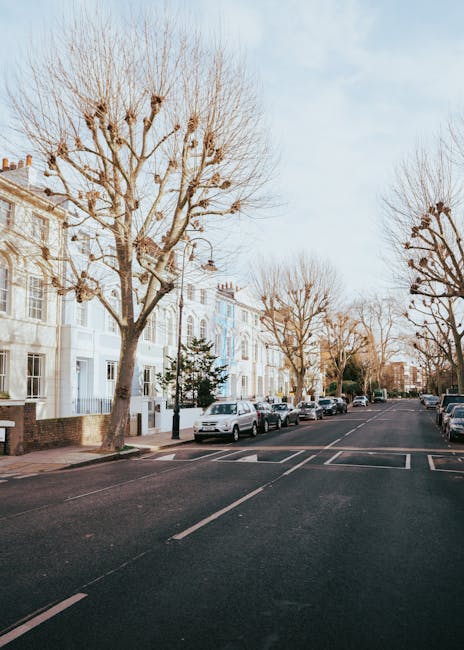
Primrose Hill Removals: Navigating Chalk Farm Road Access
Moving in Primrose Hill can look straightforward on a map, yet Chalk Farm Road access often turns a routine removal into a planning exercise. Between busier traffic flows, tighter side streets, loading limitations, awkward building entrances, and the real-world challenge of getting a van positioned safely, the difference between a smooth move and a stressful one usually comes down to preparation.
This guide breaks down Primrose Hill removals with a practical focus on navigating Chalk Farm Road access. You will find clear steps, useful comparisons, common pitfalls, and local moving advice that helps you plan confidently whether you are relocating a flat, a family home, or a small office. If you also want broader moving support, it may help to look at our removal services overview, plus our pages for house removals in Primrose Hill and flat removals in Primrose Hill.
For many moves, the hardest part is not lifting a sofa or carrying boxes. It is getting the vehicle, crew, and timing aligned with the street. That is exactly where a local approach matters.
Table of Contents
- Why Primrose Hill Removals: Navigating Chalk Farm Road Access Matters
- How Primrose Hill Removals: Navigating Chalk Farm Road Access Works
- Key Benefits and Practical Advantages
- Who This Is For and When It Makes Sense
- Step-by-Step Guidance
- Expert Tips for Better Results
- Common Mistakes to Avoid
- Tools, Resources and Recommendations
- Law, Compliance, Standards, or Best Practice
- Options, Methods, or Comparison Table
- Case Study or Real-World Example
- Practical Checklist
- Conclusion
- Frequently Asked Questions
Why Primrose Hill Removals: Navigating Chalk Farm Road Access Matters
Primrose Hill and the streets feeding into Chalk Farm Road sit in an area where transport practicality matters as much as distance. A move that looks short on paper can still be difficult if the van cannot pause where you expected, if the property entrance is awkward, or if loading has to be done from a different point than the one you first imagined.
That matters for three reasons. First, access affects time. Extra walking distance from van to door can add up quickly, especially if you are moving from a top-floor flat. Second, access affects safety. Tight gaps, passing traffic, and sudden kerb changes increase the chance of damage if the job is rushed. Third, access affects cost. If the move takes longer than planned, or if a second vehicle, extra labour, or timed loading arrangement is needed, the overall logistics become more complex.
In busy London neighbourhoods, good removals are rarely about brute force. They are about reading the street correctly. Chalk Farm Road can be manageable, but the safest and most efficient plan is often the one that respects the road layout, surrounding traffic, and the way the property actually functions at ground level.
For local residents, this is especially important for apartments with shared entrances, period buildings with narrow halls, or homes where a large item needs to be carried around a corner before it even reaches the van. If you are decluttering before the move, our guide to decluttering for a stress-free move can help reduce the amount of time your access window needs to cover.
Practical takeaway: on Chalk Farm Road, the move usually goes better when you plan access first and packing second. The street can be the hidden variable that decides how calm the day feels.
How Primrose Hill Removals: Navigating Chalk Farm Road Access Works
The process is best understood as a chain of decisions, not a single booking. A good removals plan for this area starts with access checks, continues through parking and loading planning, and ends with a realistic unloading strategy at the destination.
1. Assess the property access
Start with the basics: where is the front door, how wide are the internal routes, are there stairs, and how close can a removal van realistically get? Even small details matter. A recessed entrance, low railings, or a narrow pavement can change how items are loaded.
2. Plan vehicle positioning
On streets connected to Chalk Farm Road, the aim is to position the vehicle where loading can happen without blocking traffic, upsetting neighbours, or creating unnecessary risk. Sometimes that means choosing a slightly less convenient stopping point to make the overall move safer and smoother.
3. Match the van size to the job
The right vehicle is not always the biggest one. For a compact flat move, a smaller man with a van in Primrose Hill style service may be enough. For larger household moves, a more spacious removal van may reduce the number of trips and save time overall.
4. Use the right carrying method
Heavy furniture, awkward appliances, and fragile items should be lifted and moved with a method that protects both the item and the people carrying it. If you want a deeper look at safe handling, our article on kinetic lifting explains the principle in simple terms. For larger or awkward pieces, it is often wiser to let experienced movers take the lead.
5. Load in a sensible order
Access constraints can make loading order surprisingly important. Items that are likely to be needed first at the destination should be loaded last, while heavy boxes and stable furniture should be positioned to keep the van balanced. This sounds basic, but it prevents the sort of last-minute scrabble that adds stress.
6. Confirm the unload plan
The destination matters just as much as the departure point. If you are moving into a flat near Primrose Hill or out toward another London postcode, decide in advance where items will go, whether lifts are available, and whether anything needs dismantling before it enters the property.
If you are still deciding how much help you need, it is worth comparing a full removals package with a more flexible service. Our Primrose Hill removals page and man and van Primrose Hill option are useful starting points for that decision.
Key Benefits and Practical Advantages
When access is handled properly, the benefits are immediate and obvious. The day feels calmer. The crew moves faster. Fewer items get bumped. The whole move becomes more predictable.
- Less wasted time: you avoid repeated repositioning, unnecessary carrying distance, and delays caused by poor access planning.
- Lower risk of damage: careful route planning reduces scrapes on furniture, doorframes, and walls.
- Better use of labour: movers can focus on safe handling instead of improvising around street constraints.
- Less stress for you: knowing there is a clear loading plan removes a lot of the panic that often appears halfway through moving day.
- More accurate pricing: a transparent access discussion helps remove surprises and makes quotes more reliable.
There is also a subtle benefit that people often overlook: better access planning keeps neighbours happier. Nobody enjoys a removal that blocks the road longer than necessary or leaves boxes on the pavement while someone hunts for the right key. A tidy, efficient move usually makes everyone's day easier.
If you are moving speciality items, the benefit becomes even more important. Our resources on piano removals in Primrose Hill and expert piano moving versus DIY show why access and handling need to be planned together, not separately.
Who This Is For and When It Makes Sense
This kind of planning is useful for anyone moving in or around Primrose Hill, but it becomes especially valuable in certain situations.
Flat movers
If you live in a flat, access is often the deciding factor. Shared hallways, stairs, secure entry systems, and limited external stopping space can all influence the move. Our flat removals service is built around exactly these kinds of conditions.
Families moving house
Families usually have more volume, more bulky items, and more timing pressure. Children, school runs, and furniture disassembly can turn a simple street into a full logistics puzzle.
Students and renters
For smaller loads, a compact van and well-timed loading can be enough. Student moves often need speed, flexibility, and low fuss rather than a large-scale removals plan. If that is you, have a look at student removals in Primrose Hill.
Office or studio relocations
Small office moves are sensitive to access because equipment, documents, and schedules all need careful handling. If you are relocating a workspace, our office removals page is a better fit than a purely domestic service.
Anyone with bulky or fragile items
If your move includes a piano, mattress, sofa, freezer, or fragile furniture, access planning becomes a protection measure, not just an organisational one. For more guidance, see our practical articles on moving beds and mattresses and storing sofas properly.
Step-by-Step Guidance
Here is a clear approach that works well for removals where Chalk Farm Road access is a consideration.
- Survey the access points. Check the front entrance, back entrance if relevant, stairwells, and pavement space. Take note of anything that will affect carrying length or turning space.
- Measure the awkward items. Mattresses, sofas, wardrobes, and appliances should be measured before moving day. If something is large but manageable, there may still be a route that works if it is tilted or dismantled.
- Decide what can be dismantled. A bed frame, table, or shelving unit can often be broken down into safer, easier parts. If you want a practical pre-move sequence, our packing essentials guide is a useful companion read.
- Set a realistic loading zone. Do not assume the van can sit exactly outside the property. Think in terms of a workable zone where loading is safe and allowed.
- Protect the route inside the property. Doorframes, corners, and stair edges are common damage points. Use covers, blankets, and clear communication so nothing gets caught.
- Pack by priority. Essentials should be separate. Heavy items should be secure. Fragile boxes should not be placed where they can be crushed.
- Confirm timing and access conditions. If the building has restrictions, concierge rules, or a specific move-out slot, make sure everyone involved understands it.
- Review the unloading sequence. The same logic applies at the destination. Knowing where each room item goes saves energy and prevents repeated lifting.
A useful rule of thumb: the more difficult the access, the more value you get from planning the move in layers. First the route, then the vehicle, then the carrying order, then the unpacking plan. It sounds orderly because it is.
Expert Tips for Better Results
These are the details that tend to separate an ordinary move from a well-run one.
- Move early when possible. Morning slots usually make loading easier because traffic and pedestrian activity are often lighter.
- Keep the entrance clear. A cluttered hallway slows everything down. Even one stray bag in the wrong place can make a turn awkward.
- Use colour or label coding. It helps enormously when boxes are heading to different rooms. A simple label is better than a guessing game later.
- Keep fragile items separate from access-heavy items. If something must be carried carefully, do not bury it under a pile of general boxes.
- Speak up about awkward items. If a sofa will need turning on a tight stairwell, say so before the crew starts. Last-minute surprises are rarely helpful.
- Have keys, fobs, and contacts ready. Access delays are often caused by missing people rather than missing vans.
- Do not overpack large boxes. A box that is technically sealed but impossible to lift is not a victory.
To be fair, a lot of moving day problems are preventable with ten minutes of honest planning. That is especially true in areas where street access is part of the challenge. If you want a fuller pre-move routine, our guide to decluttering before a move and cleaning before moving out can save time at both ends of the process.
Common Mistakes to Avoid
Most access problems are not dramatic. They are small planning errors that stack up.
- Assuming the van can stop directly outside. It might not be possible, and planning around that assumption creates delay.
- Ignoring stair width or landing size. Furniture often gets stuck where people least expect it.
- Leaving packing until the final night. Rushed boxes are harder to handle and more likely to fail mid-move.
- Forgetting building restrictions. Some homes and blocks have practical rules about loading, time windows, or shared access use.
- Choosing a vehicle that is too small. Multiple trips can be fine, but sometimes they become the costlier option once time and labour are counted.
- Not preparing for rain or wet pavement. London weather loves a last-minute cameo, and damp stairs are not your friend.
- Underestimating heavy lifting. A couple of "we can probably manage it ourselves" decisions can become the day's biggest risk.
If you are unsure whether something needs specialist handling, it is safer to ask in advance. Our article on heavy lifting on your own explains why some moves are best left to trained hands.
Tools, Resources and Recommendations
You do not need a truck full of gadgets, but a few sensible tools make a noticeable difference.
- Furniture blankets and straps: useful for protecting surfaces and keeping items stable in the van.
- Dolly or sack truck: helps with heavier items where the route is smooth enough to use one safely.
- Gaffer tape and labels: simple, cheap, and very effective for box organisation.
- Protective wraps: handy for mirrors, picture frames, and fragile surfaces.
- Measuring tape: still one of the best moving tools around, despite its glamorous lack of wheels.
- Route notes or building instructions: especially useful for flats and properties with access controls.
On the resource side, it is worth reviewing a company's practical support pages before booking. For example, our packing and boxes page can help if you need supplies, while storage in Primrose Hill may be useful if move-out and move-in dates do not align neatly.
If you want to understand the company background before you book, our about us page is a good place to start, and the contact page is the quickest route for a tailored enquiry.
Law, Compliance, Standards, or Best Practice
For local removals, compliance is usually less about red tape and more about doing things properly. That includes using safe lifting practices, respecting parking and loading restrictions, protecting property, and handling possessions responsibly.
In the UK, moving companies are generally expected to work with appropriate care, clear terms, and sensible safety procedures. For customers, that means checking what is included, asking about insurance, and understanding any access assumptions before moving day. It is also wise to confirm how the company handles complaints, payments, and safety matters. Our supporting pages on insurance and safety, health and safety policy, terms and conditions, and payment and security help set those expectations clearly.
If a move involves shared spaces, building management, or public roadside access, best practice is to minimise obstruction, protect surfaces, and communicate clearly with everyone affected. That is not just courteous; it is often the difference between a smooth job and a stressful one.
For sustainability-minded customers, it can also help to plan reuse and disposal thoughtfully. If you are reducing waste during the move, our recycling and sustainability page is worth a look.
Options, Methods, or Comparison Table
Different moves need different levels of support. Here is a simple comparison that may help you decide what fits your situation.
| Option | Best for | Strengths | Watch-outs |
|---|---|---|---|
| Man and van | Smaller flats, student moves, quick local jobs | Flexible, efficient, often cost-effective | May require more loading effort from the customer if not fully managed |
| Full removals service | House moves, heavy furniture, more complex access | More hands, better for bulky or fragile items, less stress | Can be more involved to arrange if dates and access are tight |
| Self-managed move | Very small loads or experienced movers only | Maximum control | Higher personal effort, more risk, and less margin for access mistakes |
In Primrose Hill, the right choice often depends on two things: how much there is to move and how awkward the access is. A short move can still justify a fuller service if the stairs, parking, or tight street conditions make it a more technical job.
Case Study or Real-World Example
Imagine a couple moving from a second-floor flat near Primrose Hill, with a sofa, a double bed, several book boxes, and a couple of fragile lamps. The flat is close enough to Chalk Farm Road that the route seems easy at first glance, but the entrance is set back slightly and the stairwell turns tightly on the first landing.
They start by measuring the larger items and deciding the bed frame should be dismantled. They label the boxes by room, move non-essential items the day before, and keep the hallway clear. On moving day, the van is positioned where loading is practical rather than perfect. Because the team knows the route in advance, the sofa is carried with the right angle, the bed frame goes out in sections, and the fragile items are loaded last.
The result is not dramatic. That is the point. There is no chaos, no last-minute problem solving, and no unnecessary damage. The move is completed with the sort of calm efficiency most people want but rarely get by accident.
That same pattern is common for house removals in Primrose Hill and for people who need a quick turnaround, such as those using same-day removals when timing is already tight.
Practical Checklist
Use this checklist before moving day to keep access issues under control.
- Confirm the exact collection and delivery addresses.
- Check whether the property has stairs, lifts, or narrow entry points.
- Measure large furniture and appliances.
- Decide which items need dismantling.
- Label boxes clearly by room and fragility.
- Clear hallways, landings, and doorways.
- Check loading restrictions or building rules.
- Prepare keys, fobs, and contact numbers.
- Keep a small essentials bag separate.
- Confirm the vehicle size and service level.
- Protect flooring, furniture, and walls where possible.
- Plan for wet weather or traffic delays.
Expert summary: If you plan access early, choose the right vehicle, and pack with the route in mind, Chalk Farm Road becomes a manageable part of the move rather than the source of it.
Conclusion
Primrose Hill removals demand a practical approach because Chalk Farm Road access can shape the whole moving experience. The smartest moves are not necessarily the fastest-looking ones; they are the ones that respect the street, the property layout, and the realities of lifting, loading, and parking in a busy part of London.
Whether you are moving a flat, a family home, or a small office, the same principles apply: assess access early, choose the right service, protect the route, and keep the plan simple enough to follow under pressure. Do that, and you give yourself the best chance of a move that feels organised rather than overwhelming.
If you are ready to take the next step, compare your options, gather a clear quote, and speak with a team that understands local access challenges. A little planning now can save a great deal of stress on the day.
Get a free quote today and see how much you can save.
Frequently Asked Questions
How do removals in Primrose Hill differ from other London moves?
They often involve tighter access, more careful parking planning, and a greater need to coordinate loading around busy streets and residential entrances.
Why is Chalk Farm Road access such a concern for moving day?
Because access affects where the van can stop, how far items need to be carried, and how safely the crew can load and unload without causing disruption.
Can a man and van service handle a move near Chalk Farm Road?
Yes, many smaller moves can be handled well with a flexible van service, especially for flats or lighter loads where access is not overly complex.
What if my furniture does not fit through the stairwell?
That is where advance measuring, dismantling, or choosing the right route matters. In some cases, specialist handling is the safest option.
Do I need to empty wardrobes and drawers before the move?
As a general rule, yes. Emptying them reduces weight, helps prevent damage, and makes lifting safer for everyone involved.
How far in advance should I plan access for a Primrose Hill move?
As early as possible. Even a short local move benefits from advance checks on parking, building entry, and the best loading approach.
What items need specialist moving support?
Large furniture, pianos, heavy appliances, awkward artwork, and fragile or high-value items often benefit from professional handling.
Is it worth paying for a fuller removals service instead of doing it myself?
Often, yes, if the access is tight, the item list is heavy, or you want to reduce risk and physical strain. The right answer depends on volume, route, and timing.
Can I book storage if my moving dates do not line up?
Yes. Temporary storage can be helpful when completion dates shift or when access at one end of the move is not immediately available.
What should I ask before getting a quote?
Ask about vehicle size, access assumptions, insurance, timing, packing help, and whether stairs, long carries, or waiting time might affect the service.
How do I reduce the risk of damage during a move?
Measure large items, clear routes, use protective materials, and make sure the team understands any awkward corners, staircases, or narrow entrances.
Where can I find more practical moving advice?
Our guides on packing for a stress-free move and cleaning before the big move are good next reads if you want a smoother moving day.